Twenty-five years of enterprise delivery taught me how to build technology. AI taught me why accountability matters. Orquestra AI exists because I wanted to bring those two worlds together.
For more than twenty-five years, I worked in enterprise technology, leading delivery programmes, building teams, helping organisations implement complex systems across industries. Every successful programme had one thing in common: accountability. Technology succeeded because someone owned the decisions, accepted responsibility for the outcomes, and had the authority to act when things went wrong.
When generative AI entered the enterprise, I realised that assumption no longer held.
AI could generate recommendations, create content, call tools, and make decisions at a speed and scale we had never seen before. Yet the question that mattered most was often left unanswered.
Who is accountable?
Why I left corporate
Leaving was not about walking away from what I had built. It was about taking twenty-five years of enterprise experience and making it useful beyond a single organisation.
Inside an enterprise, I could help one programme at a time. Outside it, I could help many organisations adopt AI responsibly before they faced the difficult questions from boards, customers, or regulators. I could work with entrepreneurs building AI products and help them think about governance as a design decision rather than a compliance exercise. I could share practical lessons with students and future professionals before they entered a world where AI would be part of every career.
That vision became Orquestra AI.
The problem AI introduced
There was a moment in a programme review that I keep returning to. An AI output had gone out wrong. We sat in a room to work out how it happened.
The architect explained the model. The engineer explained the build. The delivery lead explained the timeline. Everyone could explain a piece of the system. Nobody could explain the decision.
The artefact existed. The team existed. The named human at the gate, the one whose job it was to govern that boundary, did not.
Once is an incident. Twice is a shape.
I started seeing the same hollow at the centre of AI programmes across industries and teams. The gap was not technical. It was simpler and sharper: who, by name, at which gate, with what authority to stop. "Owned by the AI team" is not a name. "Reviewed by leadership" is not a gate.
The agents were doing the work. The humans were watching. Nobody was governing the boundary between the two.
What Orquestra AI stands for
The first version of what became the Navigator Framework™ was a sentence I started using in those programme reviews.
The agent drives. The human navigates.
If you cannot point to the navigator at each boundary, you do not have governance. You have hope.
From that sentence the structure followed, phase gates with a named, accountable owner at each one, failure modes that describe what unnavigated AI looks like in practice, evidence that makes the navigation legible to an auditor, a regulator, or a successor team walking in twelve months later.
Responsible AI is not a constraint on what AI can do. It is what makes AI sustainable. Technology changes. Human responsibility does not.
My mission
Orquestra AI exists to serve three communities.
For enterprises, the Navigator Framework, Govern Hub, and executive advisory. Defensible AI for organisations that will be asked to defend it, with named accountability at every gate and evidence that survives audit.
For entrepreneurs, practical help building trustworthy AI products from the first sprint, not the first incident. Accountability as a design decision, not a retrofit.
For students and future professionals, AI literacy that goes beyond models and outputs, toward the transparency, accountability, and human judgement that responsible AI actually requires. A belief that this knowledge should not remain locked inside consulting engagements or governance teams.
Recently, I co-delivered an AI for Everyone workshop with the Madras Management Association’s Kancheepuram Chapter, bringing together students, faculty, corporate professionals, and MSME owners to explore practical AI and what responsible adoption looks like in their own environments. Earlier in 2026, I delivered a digital transformation masterclass at XIME Chennai.
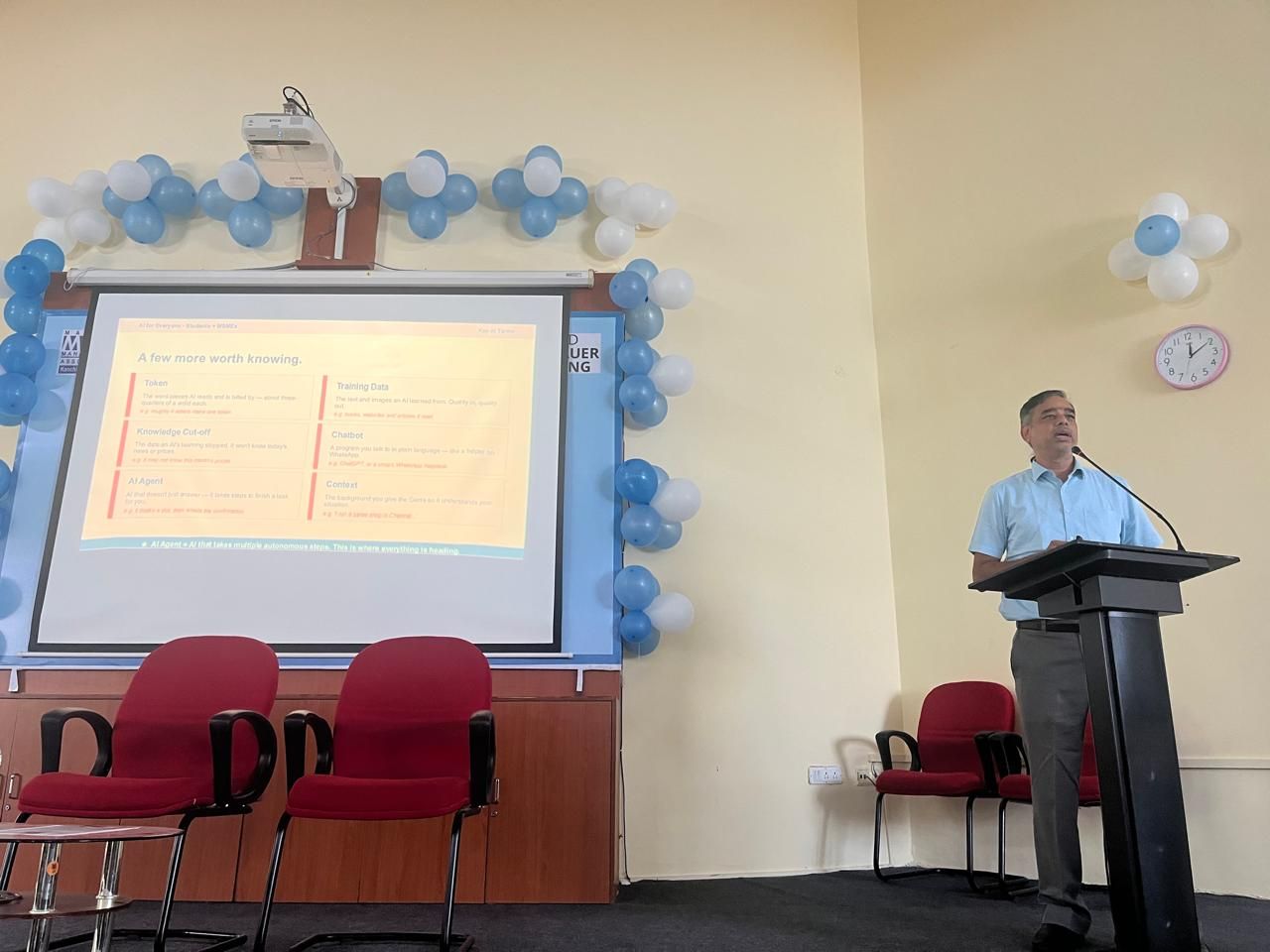
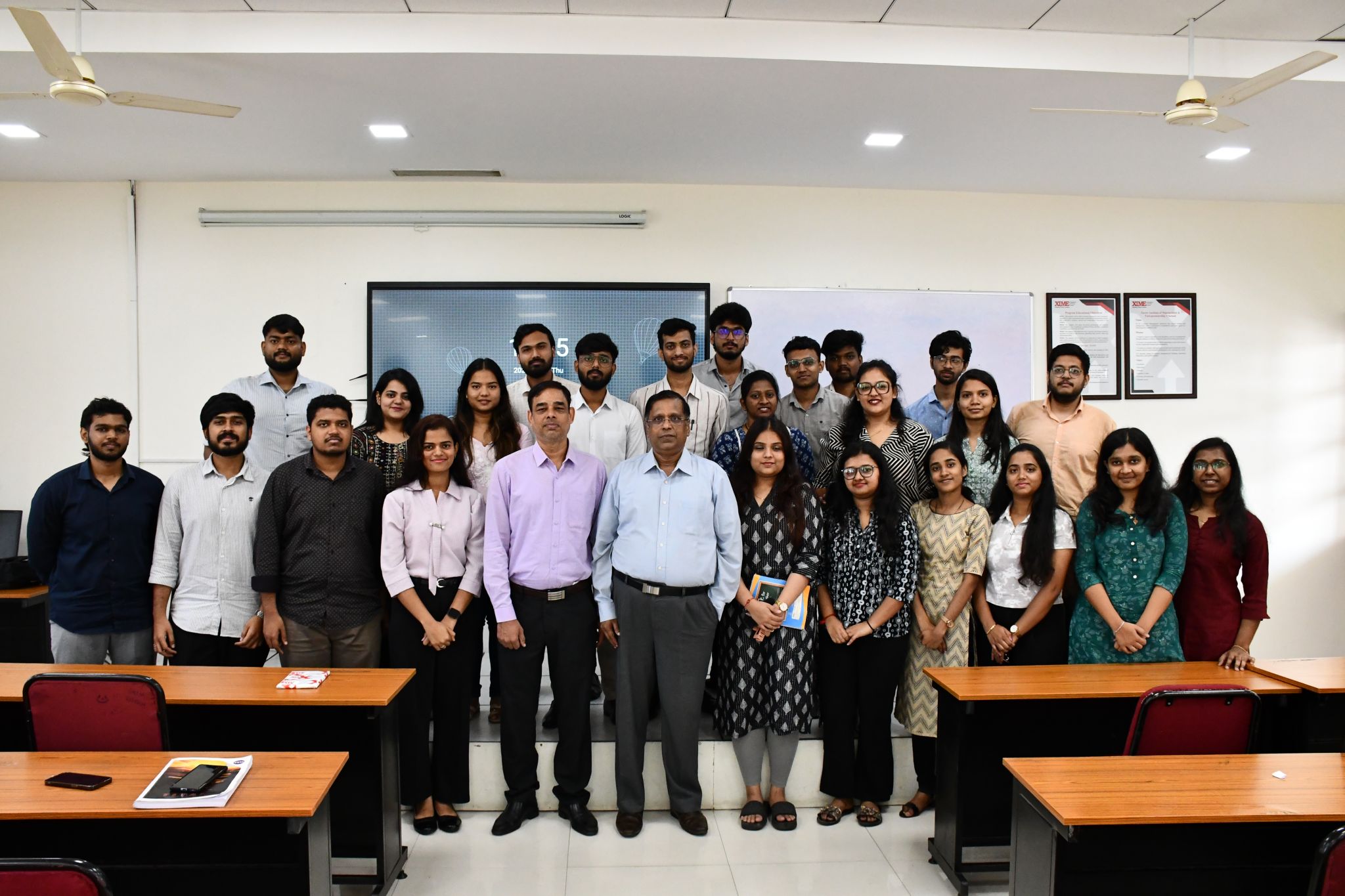
Different audiences. Same question: how do you stay the navigator when AI is doing more of the driving?
These sessions are not separate from the Navigator mission, they are its extension. Whether working with enterprise leaders, founders, or students, the goal is the same: helping people build AI that remains accountable to humans.
Why I do this
AI will transform every organisation, every industry, and eventually every profession. The technology will keep evolving. The need for accountability will not.
Once I saw the shape, the hollow at the centre of every AI programme where the named human should have been, I could not stop seeing it. Once I had a name for it, I could not stop using it.
The map that lets a board defend its AI also lets a student, a small business owner, or a citizen make a better decision about theirs. The scale changes. The need for a navigator does not.
That is why Orquestra AI exists.
The agent drives.
The human navigates.